-
Environmental Security Weekly Watch: February 16-20, 2026
›
A window into what we’re reading at the Stimson Center’s Environmental Security Program
Rapid Central Asia Glacial Melt Threatens Water Security (The Diplomat)
A recent study projects that the Tian Shan mountains, the primary freshwater source for millions across Central Asia and China’s Xinjiang region, will lose approximately one-third of their glacier area before 2040. Already, the region has seen a 27% drop in glacial mass and an 18% drop in areas over the last 50 years. The Tian Shan’s smaller glaciers respond more rapidly to warming temperatures, as rising temperatures reduce the snowfall that historically replenishes glacial mass. These glacial and meteorological conditions create a compounding effect that makes the Tian Shan more vulnerable than the larger, slower-responding glaciers of the Karakoram, Pamir, and Himalaya ranges.
-
When Climate Extremes Don’t Lead to Conflict: Evidence from the Pacific Islands
›
The article was adapted from “Local Resilience Can Mitigate Climate Conflicts in the Pacific,” published by Global Outlook.
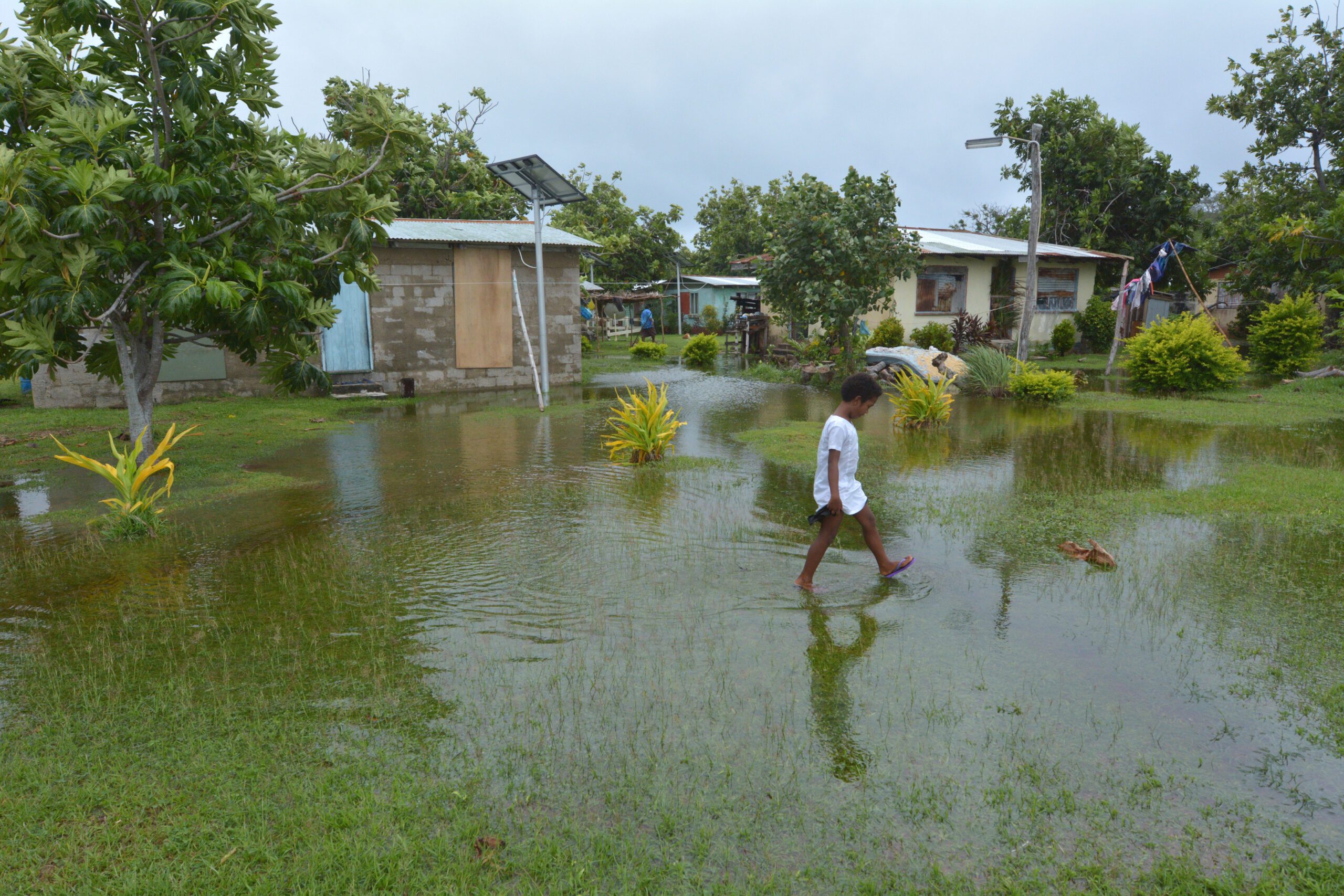
Pacific Island countries sit at the frontline of climate change. Many consist of small, low-lying islands, with long coastlines and vast ocean spaces between them. Livelihoods often depend on agriculture and fishing, and importing water or food is often infeasible or expensive. This makes those large ocean nations highly vulnerable to the impacts of climate change, such as storms, droughts, and rising sea levels.
-
Can Climate Security Survive the Crisis of Multilateralism?
›Multilateralism is under threat, as many global powers increasingly choose to center their security priorities around defense and economic competition over international cooperation. This shift toward short-term national interests risks undermining progress on joint challenges, including climate change, peace and justice. What will be lost if the climate security agenda becomes a battlefield of competing interests? How can peacebuilding and development actors respond?
-
Environmental Security Weekly Watch: December 15-19, 2025
›A window into what we’re reading at the Stimson Center’s Environmental Security Program
Climate Breakdown Threatens Global Food Security (The Guardian)
Global agricultural systems now face mounting pressure as climate impacts intensify and crop yields plateau. Production of the world’s most abundant crop, maize, is projected to decline by 6% under low-warming scenarios, and as much as 24% in extreme warming scenarios. Extreme weather wiped out over 1 million hectares of Zambia’s maize in 2024 alone, accounting for half of the country’s total production. An Amazon drought devastated more than 18,000 hectares of crops in Peru, leaving 500,000 children facing both food and water shortages.
-
Bogotá to Belém: The Unfinished Business of Integrating SRHR into Climate Action
›Journeying from November 2025’s International Conference on Family Planning (ICFP) in Bogotá to the UN climate negotiations in Belém the following month revealed a fundamental tension. Evidence increasingly shows that climate justice requires reproductive justice, yet translating that recognition into policy commitments continues to raise political apprehensions among stakeholders.
-
In the Blindspot: Security and Chinese EV Exports to the Global South
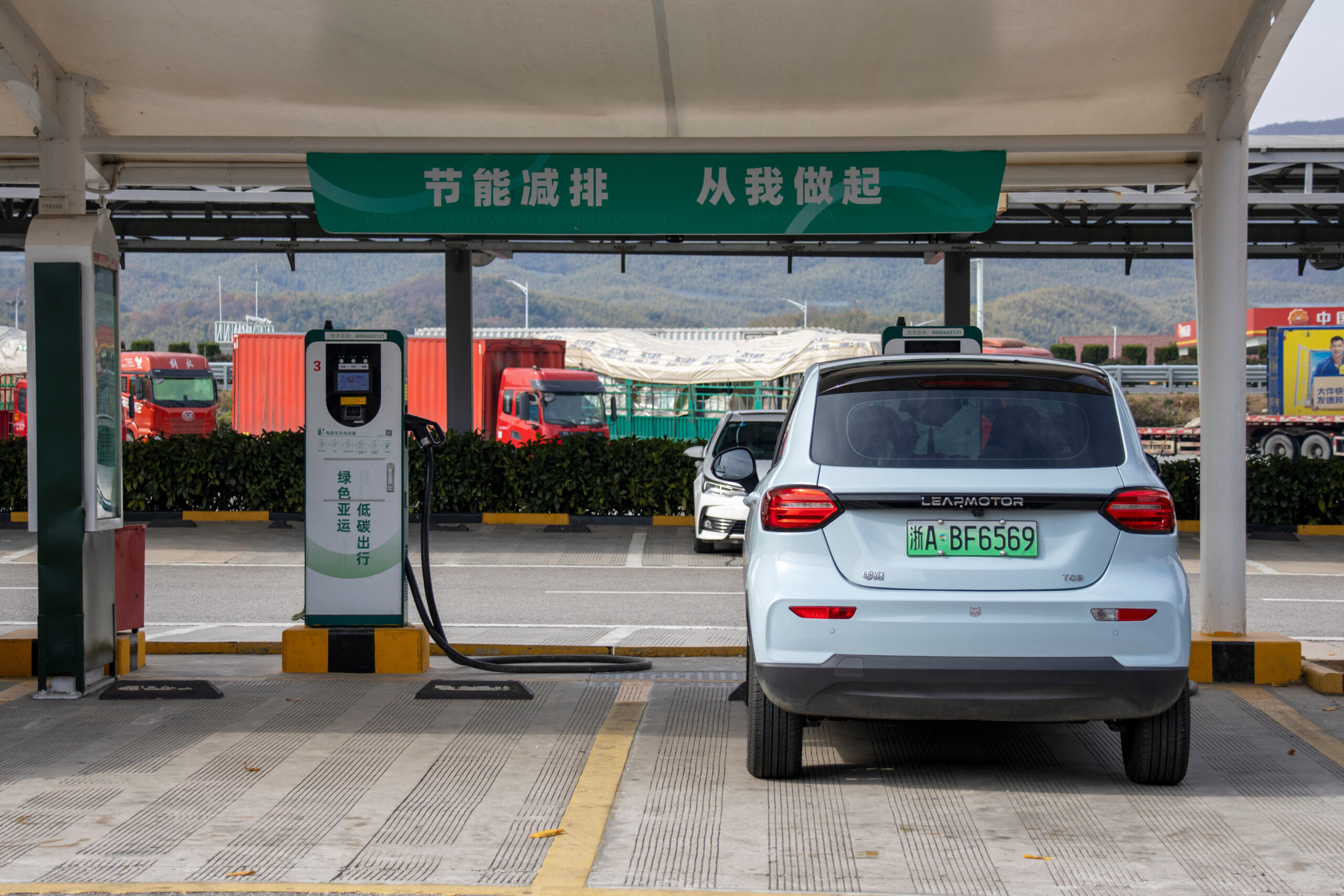
›The most persuasive argument for global EV adoption is the positive impact that these vehicles have for the environment. A scientific consensus has emerged around the benefits of electric vehicles and their zero tailpipe emissions, ranging from local air quality improvement to increased energy efficiency.
-
Energy Security and Global Climate: How India Navigates Middle East Volatility
›The recent conflict between Iran and Israel, as well as Iran’s threat to close the Strait of Hormuz, have done more than starkly expose the risks of geopolitical instability in the Gulf. It has also underscored the vulnerability of India’s energy security due to its heavy reliance on fossil fuel imports, and particularly crude oil transiting through the Strait of Hormuz.
-
Environmental Security Weekly Watch: November 10-14, 2025
›A window into what we’re reading at the Stimson Center’s Environmental Security Program
Rising Food Insecurity is Driving Instability (Foreign Affairs)
Since 2020, the number of people facing acute hunger and chronic food insecurity has increased 130% above existing levels. And supply is not the issue. At present, the world produces enough food to feed nearly 10 billion people, yet there are 720 million people who are food insecure and a further 319 million face acute hunger. Today’s hunger is driven instead by barriers to access.
Showing posts from category climate change.