-
Environmental Security Weekly Watch: June 1-5, 2026
›
A window into what we’re reading at the Stimson Center’s Environmental Security Program
As Trump Administration Defunds Ocean Monitoring, the E.U. Fills Gaps (The New York Times)
The Trump Administration’s decision to dismantle the National Science Foundation (NSF)’s decade-long $368 million deep-ocean observation system has led the European Union to bolster its own monitoring of the seas. The now-shuttered NSF program had kept tabs on marine ecosystems and measured the effects of climate change since 2016. NSF spokesman Michael England observed that the move “aligns with NSF’s wider strategy to have a nimbler approach to prioritizing support for evolving scientific priorities and emerging technologies.”
-
Environmental Security Weekly Watch: May 11-15, 2026
›
A window into what we’re reading at the Stimson Center’s Environmental Security Program
AI Energy Demand Outpaces Its Climate Solutions (Eco-Business)
A new International Energy Agency report finds that AI’s significant promise in improving energy efficiency and grid reliability may not match the energy sector’s inability to keep pace with the explosive growth of AI’s physical infrastructure.
-
Climate Finance as a Tool for Global Stability
›The relationship between climate vulnerability and political instability is clear. Twenty-two of the 30 countries ranked as the most vulnerable to climate change in 2025 also were categorized as fragile and/or conflict affected. Within this contexts, the need for solutions that address the intersection of climate risks and instability is increasingly dire.
A recent Stimson Center event hosted with the Green Climate Fund (GCF)—Climate Finance as a Tool for Global Stability—examined how early climate investments in climate adaptation, food systems, and water security can reduce the risk of conflict and displacement.
-
Environmental Security Weekly Watch: April 20-24, 2026
›A window into what we’re reading in the Stimson Center’s Environmental Security Program
The Bolivian Cacao Farmers Taking on the Gold-Mining Industry (The Guardian)
Cacao farmers in Bolivia’s Alto Beni and Palos Blancos municipalities successfully pushed for local mining bans in 2021, protecting their organic agroforestry land from the destructive gold rush sweeping the region. Gold prices are up over 64% since 2020—intensifying illegal and legal mining across Bolivia, driving deforestation, mercury poisoning, flooding, and encroachment into protected national parks. Communities near active mining zones report polluted rivers, declining fish populations, and mercury-related illnesses.
-
Environmental Security Weekly Watch: April 13-17, 2026
›A window into what we’re reading at the Stimson Center’s Environmental Security Program
Green Corridor Addresses Conflict Economies in Virunga National Park (Mongabay)
In the Eastern Congo, Virunga National Park faces an intertwined crisis of conflict and environmental destruction rooted in economic desperation. Communities residing within the park rely on charcoal production and forest clearing for survival. Simultaneously, armed militias exploit these same resources to finance ongoing violence. In response, Virunga administrators have developed an integrated model using renewable energy as the foundation for an alternative economy.
-
Environmental Security Weekly Watch: March 30-April 3, 2026
›A window into what we’re reading at the Stimson Center’s Environmental Security Program
Experts Sound Alarm Over Peru-Brazil Biooceanic Railway Risks (Mongabay)
A proposed railway linking Peru’s Pacific coast to Brazil’s Atlantic is drawing alarm from conservation experts and Indigenous rights advocates. Brazil and China signed a feasibility study agreement for new route crossing both the Andes and the Amazon rainforest in July 2025, with China playing a central role in financing and development. Two alternatives are under consideration, with one running through Peru’s Ucayali region and the other through Madre de Dios, but neither has been approved. A single line could impact 15 protected natural areas, threatening over 1,800 campesino communities, as well as territories inhabited by Indigenous peoples in voluntary isolation.
-
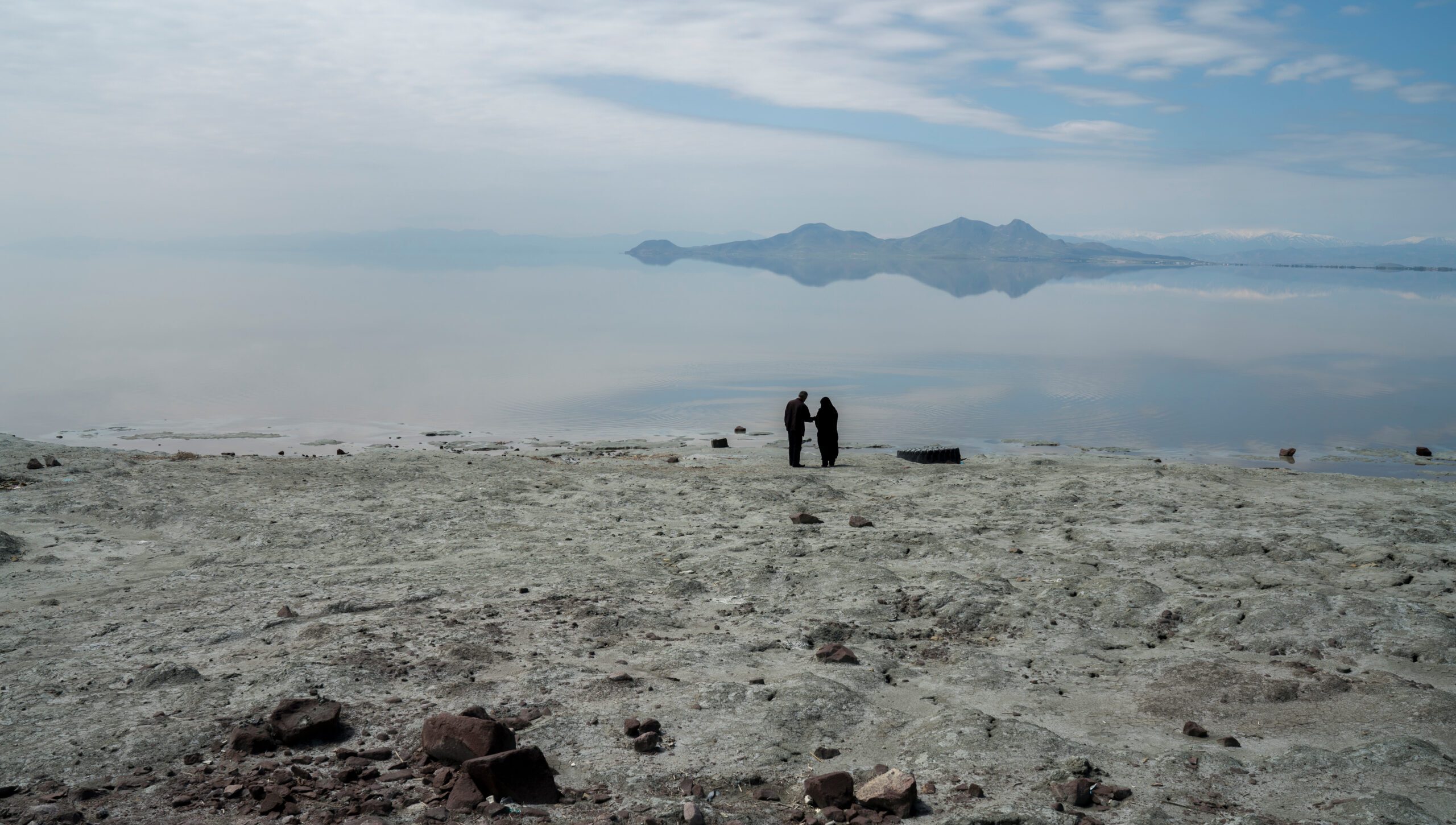
Complicating Long-Term Stability: Water Security and the Iran War
›In the summer of 2025, Tehran almost reached “Day Zero” – a designation for the moment when the city’s municipal water supply was no longer able to meet basic demand through normal distribution systems. Indeed, Iranian President Masoud Pezeshkian has repeatedly warned that the capital may need to be relocated due to the worsening water crisis.
-
No Home in the Dark: Creating an All-Inclusive Rooftop Solar Ecosystem in China
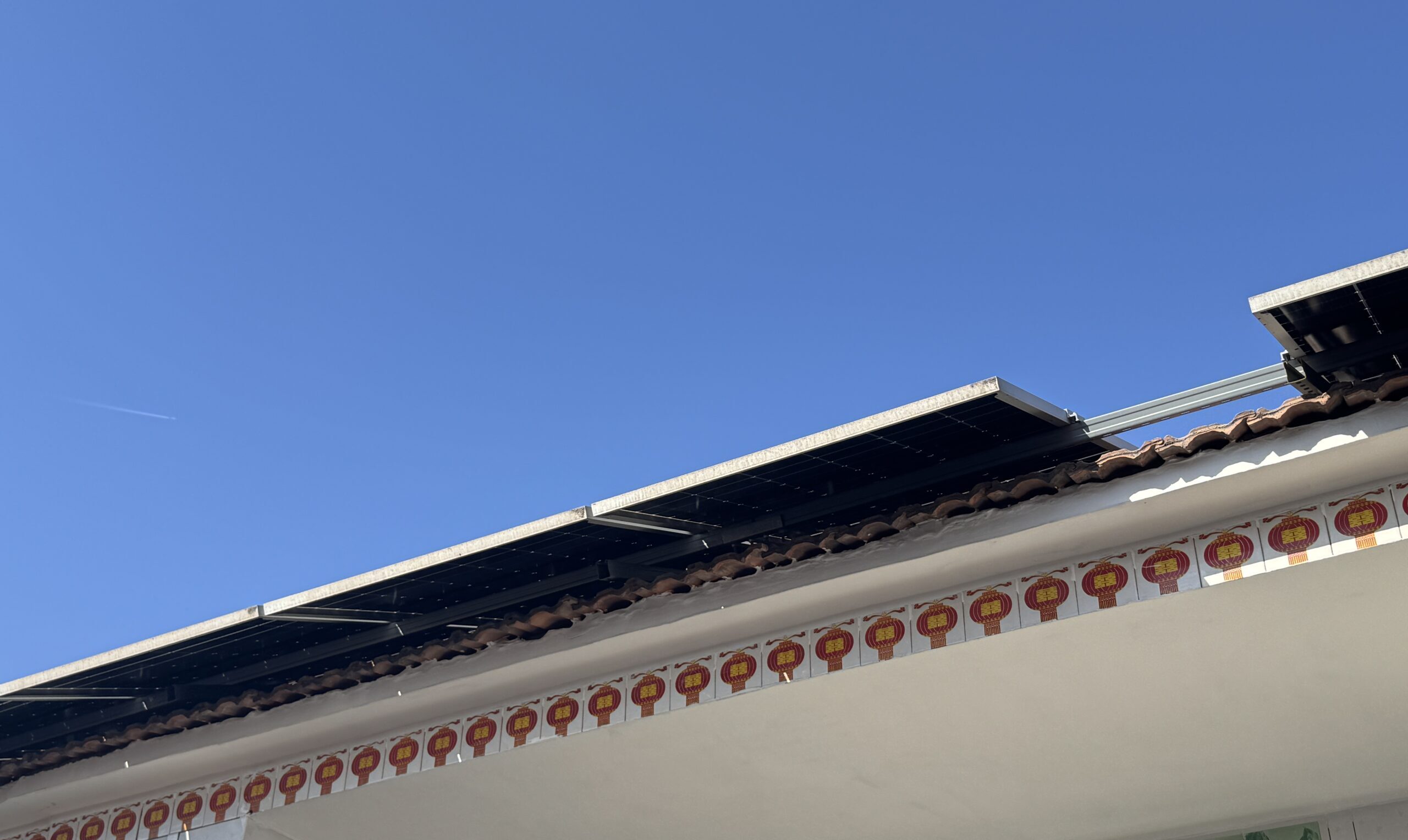
›Last fall, I travelled back to my hometown in rural Wen’an County, Hebei Province, and was surprised to find my aunt Lu had installed 12 solar panels on the roof of her house. Because I am a low-carbon policy wonk at a Beijing consultancy, I peppered her with energy questions as we admired the rooftop panels. “So, where does the electricity go? To your own appliances, an aggregator, or the grid company? Are you paid for renting out the roof or for selling the electricity?”
Showing posts from category climate change.