Monthly archive for May 2011. Show all posts
-
Mozambique Coal Mine Brings Jobs, Concerns
›Annie Murphy, International Reporting Project
By ECSP Staff // Tuesday, May 31, 2011The original version of this article, by Annie Murphy appeared on the International Reporting Project and NPR (follow the links for the accompanying audio track as well). Murphy appeared with three other IRP fellows at the Wilson Center on April 28 to talk about their experiences reporting abroad.
As developing countries grow, their need for raw materials grows, too.
This is the case for Brazil, a country that has much in common with the nation of Mozambique: Both have a mix of African and Portuguese influences; both are rich in natural resources; and both fought long and hard to throw off European colonialism.MORE
Today, however, a Brazilian coal mine in Mozambique has some wondering what the energy demands of growing economies like Brazil really mean for African countries like Mozambique.
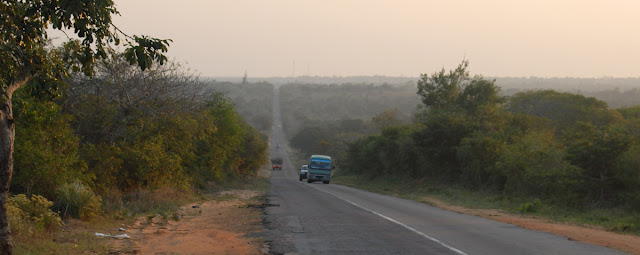
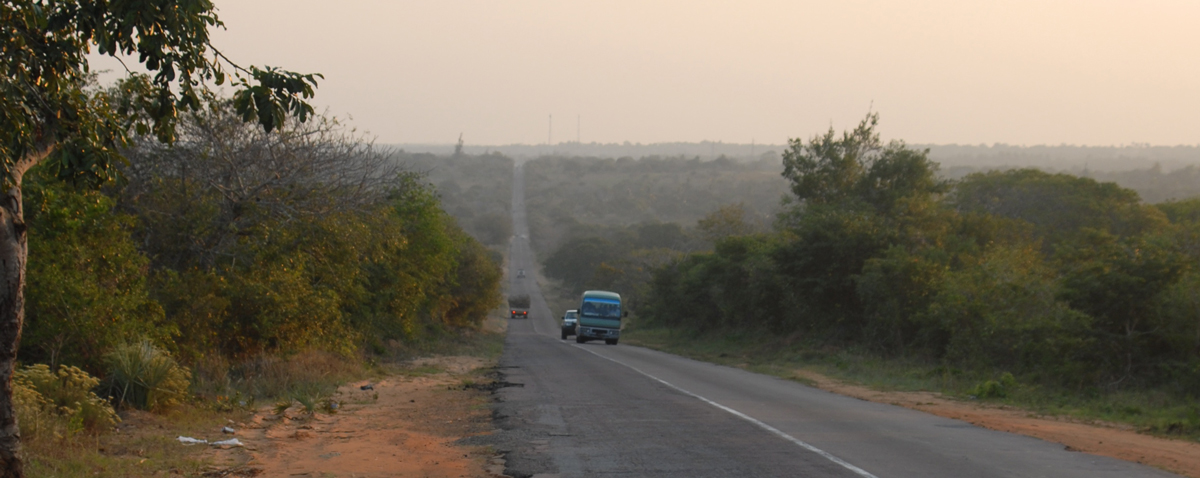
This coal mine in northwestern Mozambique is owned by the Brazilian company Vale — it’s a gaping, dark gray pit in the middle of a green, windswept savannah. Still under construction, it currently employees about 7,500 people.
Jose Manuel Guilengue, 23, a machine operator, says that he and a friend traveled 1,000 miles from the capital to get there, where they were both hired. That was a year ago. He now makes around $400 a month — which is more than four times the average salary in Mozambique.
According to the general manager overseeing construction, Osvaldo Adachi, this mine will produce about 11 million tons of coal each year, for at least three decades.
Continue reading and listen to the audio at the International Reporting Project.
Annie Murphy reported this story during a fellowship with the International Reporting Project (IRP). To hear more about Murphy and the IRP program, see the event summary for “Reporting on Global Health: A Conversation With the International Reporting Project Fellows.”
Photo Credit: Adapted from Mozambique, courtesy of flickr user F H Mira. -
From the Wilson Center:
Yemen Beyond the Headlines: Women’s Health and Well-Being, Foundations of a Fragile State
›By Ramona Godbole // Tuesday, May 31, 2011Part one of the “Yemen Beyond the Headlines: Population, Health, Natural Resources, and Institutions” event, held at the Wilson Center on May 18.
“Ultimately, whether Yemen is able to achieve its goals for social and economic development, will to a large extent depend on its future population growth and size,” said Gary Cook, senior health advisor at the U.S. Agency for International Development, in his opening address on Yemen’s population and development challenges at the Woodrow Wilson Center. [Video Below]MORE
Cook was joined on the opening panel of the all-day conference, “Yemen Behind the Headlines: Population, Health, Natural Resources, and Institutions,” by Dalia Al-Eryani, former project officer for Pathfinder International’s Safe Age of Marriage Project, and T.S. Sunil, professor of sociology at the University of Texas San Antonio, to discuss issues related to population, reproductive health, and child marriage. Drawing speakers and participants form the Middle East, Europe, and the United States, the conference was part of the Wilson Center’s HELPS Project, a multi-year effort to deepen understanding of links among health, environment, livelihoods, population and security.
Yemen’s Population and Development Challenges
Since 1950, the population of Yemen has increased from 4.3 million to 24 million, with an annual population growth rate above three percent, Cook said. High fertility drives Yemen’s rapid population growth, with an average total fertility rate (TFR) of 5.5 births per woman. Rates are even higher in rural areas and among women with limited or no education, he said.
Future population growth will have tremendous impacts on the country’s economy, education, health, and natural resources, said Cook, and “there is a very large gap between the high fertility assumption and the low fertility assumption.”
An additional 1.5 million new people will be added to the labor force and 29 percent less income per person will drop by 29 percent by 2035 if current fertility rates persist, said Cook. Though Yemen has a national population policy that outlines TFR targets of 3.3 in 2025 and 2.1 by 2035, the latest UN Population Division projections suggest these expectations are optimistic. Education and health demands and expenditures will increase greatly, while per capita arable land and water will decrease, exacerbating ongoing land and water scarcity in Yemen.
“We do not have enough local and external resources to address the needs of a rapidly expanding population,” said Cook. “Helping couples who want to limit and space their births will also help the nation,” he added.
Law, Culture, and Child Marriage
“Enforced by law and culture alike,” early marriage in Yemen is common, said Al-Eryani, with over 50 percent of Yemeni women married before they are 17 years old, and 14 percent before they turn 14. Opponents of child marriage argue that children are neither emotionally nor physically ready for marriage and that the practice increases health risks and lowers educational opportunities for girls.
Currently, Yemen has no minimum age for marriage law, and recent attempts to pass such a law have failed, said Al-Eryani. “The practice never really has been questioned.”
“There is a belief that child marriage is a good thing – both for the girl and for the family,” she said. Early marriages are a way to build family honor and tribal ties, and many poor families see opportunity for financial gain in the form of a dowry. “These families see no socially acceptable alternatives for the girl…and all of this is supported by the belief that Islam condones child marriage,” she said.
Through awareness sessions, health fairs, and school plays, the community-based Safe Age of Marriage Project has helped to change social norms around child marriage in two districts in Yemen.
After participating in the program, community members were significantly more likely to believe that delaying marriage gives girls more educational opportunities, empowers them to make decisions, and promotes healthy pregnancy and children, Al-Eryani said. Child marriage was banned in one of the communities, and the marriages of 53 girls and 26 boys were canceled as the result of the project. In the future, she hopes involving more religious and local leaders could further increase the program’s impact.
Youth and “The Reproductive Health Transition”
“When we talk about fertility transition, we only talk about the number of children born,” said Sunil. “A reproductive health transition takes into account not just total fertility rate, but a number of different dimensions.”
Women should have the freedom to decide if, when, and how often to reproduce, said Sunil, through access to safe, effective, affordable, and acceptable family planning methods. They also should have access to quality maternal health care throughout pregnancy and birth, he said.
“It’s a popular belief that Islamic societies with poor and limited resources are not compatible with a reproductive health transition,” said Sunil. “But the onset of a reproductive health transition is underway in Yemen.”
While the transition in Yemen is progressing more slowly than in other countries in the region, many positive trends can be seen among the country’s youth, said Sunil. Trends indicate a drop in fertility rates, especially among younger women; marriage of girls under 15 years old has declined; and contraceptive use among young women age 15 to 24 has increased significantly.
Government and international donor agencies “must capture the growing momentum among the younger cohort” and meet demands for better education, postponement of marriage, and healthcare services, said Sunil. Continued focus on adolescent reproductive health will be the key to achieving the reproductive health transition, he concluded. “From an economic and human perspective, the growing young population in Yemen is potentially a tremendous asset.”
See parts two and three of “Yemen Beyond the Headlines: Population, Health, Natural Resources, and Institutions” for more from this Wilson Center event.
Sources: Population Reference Bureau, UNICEF, U.S. Agency for International Development.
Image Credit: “Young girl with her mom – Sanaa,” courtesy of flickr user fveronsei1. -
From the Wilson Center:
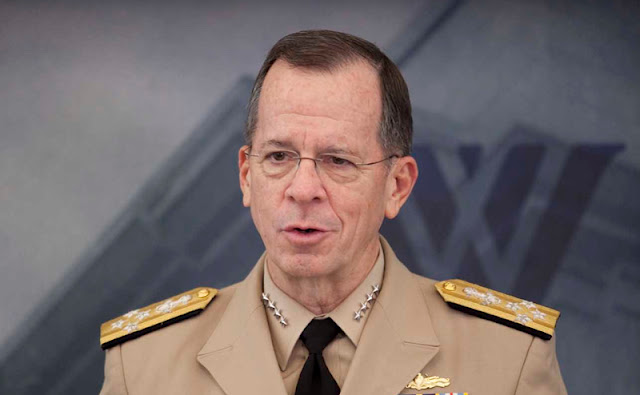
Admiral Mullen: “Security Means More Than Defense”
›Inaugural Lee Hamilton Lecture at the Wilson Center
By Schuyler Null // Thursday, May 26, 2011Chairman of the Joint Chiefs of Staff Admiral Mike Mullen delivered the inaugural talk in the Lee Hamilton Lecture Series on Civil Discourse and Democracy at the Wilson Center yesterday where he spoke on the importance of “taking the long-view” on U.S. engagement with the world and the changing field of 21st century geopolitics.
MORE
Mullen, whose aides, Captain Wayne Porter and Colonel “Puck” Mykleby, wrote the recently launched Mr. Y paper on a new national strategic narrative, echoed many of the same sentiments.
“[The Mr. paper] has some interesting things to say about how we are seeing a shift away from 20th century concepts of power and control to that of promoting strength and influence,” Mullen said. “Frankly, in this small, flatter, and faster world, I think any nation that believes it can, in a very clinical way, control events does so at their own peril.”
“The narrative also happens to share my long-held belief that we must remain engaged internationally if we wish to pursue the world that our children [and] our grandchildren deserve,” he continued:As challenging as engaging others with different views may be, the alternative of abandoning these partners in these regions is far worse. We’ve gone down that road before, and it is one that leads to isolation and resentment, ultimately making our nation less secure as we deceive ourselves into believing that ignoring these challenges will somehow make them go away.
Mullen also agreed with the Mr. Y authors’ view on adopting a more holistic view of national security:
…
Until we restore a sense of hope in these challenged regions, we will see again and again that security without prosperity is ultimately unsustainable.Wayne and Puck put it well when they said we must recognize that security means more than defense. And sustaining security requires adaptation and evolution, the leverage of converging interests, and interdependencies. We must accept that competitors are not necessarily adversaries and that a winner does not demand a loser.
The military’s energy initiatives are an important focus as well, Mullen said. “We’re the biggest consumer of energy in the U.S. government…and I don’t think we’ll ever get to a position where that’s not the case, but we certainly ought to recognize that and figure out a way to do it more effectively, efficiently, and at a much reduced cost.”
What we learned in Iraq is “there were too many people getting killed in long convoys,” Mullen said. The Marines were able to adapt to that threat by developing self-contained green cooling kits, and “that’s where we’re headed,” he said. “Our focus on and investments in the green world has taken off.”
“Now it is really mainstream: The service chiefs, combatant commanders, [they] talk about it,” Mullen continued. “There are investments being made, both from an S&T; standpoint – science and technology – as well as research and development.”
Read the transcript in its entirety here for the Chairman’s remarks on the continued importance of the UN, G-20, and NATO; the short-term intractability of challenges in Iran and North Korea; the rise of China; continued American military dominance; the defense budget; and the Arab Spring, which he called the “most significant change afoot in the world today.”
Photo Credit: Chairman of the Joint Chiefs of Staff Admiral Mike Mullen, courtesy of David Hawxhurst/Wilson Center. -
Dot-Mom / From the Wilson Center:
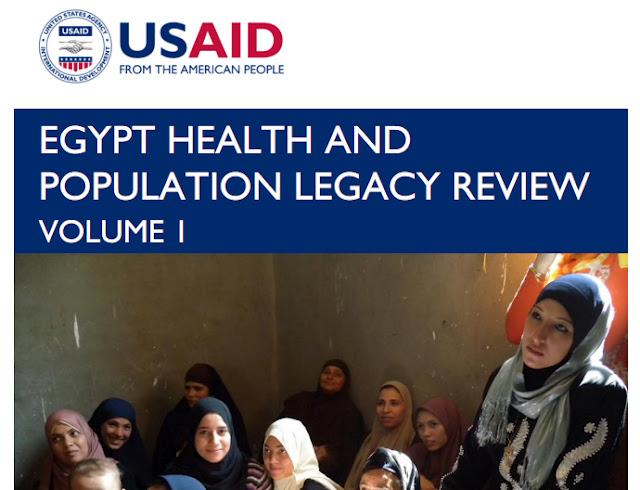
USAID Egypt’s Health and Population Legacy Review
›By Laura Rostad // Thursday, May 26, 2011On May 23 the Middle East Program, ECSP, and the Global Health Initiative of the Woodrow Wilson Center, along with the Global Health Technical Assistance Project, hosted a panel of speakers discussing the past 30 years of the U.S. Agency for International Development’s health and population initiatives in Egypt, as outlined in the new Egypt Health and Population Legacy Review. Geoffrey Dabelko, director of ECSP and coordinator of the Global Health Initiative at the Wilson Center, moderated the event. [Video Below]
MORE
Peter McPherson, former administrator of USAID during the Reagan administration, and George Laudato, the administrator’s special assistant for the Middle East, presented on the historical context behind USAID in Egypt and the results of their efforts. McPherson pointed to three lessons that can be drawn from the recent report:- “Big payoffs” require long-term efforts; and
- Economic support for a country can have a dramatic impact; but
- The host country’s commitments and investments are still important.
Motaz Zahran, political counselor for the Embassy of Egypt, noted that USAID efforts were “just one sector of a fruitful partnership” between the United States and Egypt that he hoped would continue. He said the success story outlined by the report was reflective of improvements in coordination and addressing specific goals.
Other panelists outlined the successes of USAID in Egypt as related to their own areas of expertise. Leslie B. Curtin, co-author of the review and an expert in demographics and health outcomes, noted the dramatic improvements in a range of health sectors, in particular the rise in contraceptive prevalence and immunization rates and decrease in both maternal and infant mortality rates.
Nahed Matta, MD, senior maternal and newborn health officer at USAID, focused on improvements to the quality of maternal health, which she said were made possibly through better technology and increased fact-gathering to identify the key factors regarding maternal health trends. Sameh El-Saharty, MD, senior health policy specialist at the World Bank and Health Legacy Review Committee member, credited the increased number of health professionals in Egypt, better information gathering on health systems, and restructured models of health insurance, as successful strategies.
Concluding the session, Amie Batson, deputy assistant administrator for Global Health at USAID, discussed the lessons that other development initiatives can draw from the legacy of USAID efforts in Egypt. She highlighted the importance of country ownership, in which the developing country engages with other institutions and religious and political leaders at both national and local levels, and of policies that fund routine monitoring and evaluation. She also outlined the possibilities of innovation and south-to-south sharing on the local and international scale, referencing inroads made by two recent initiatives: the “MAMA” mobile device program, launched by Secretary Clinton in May 2011 to assist with disseminating maternal health information, and the Saving Lives at Birth initiative, launched by USAID in partnership with several other organizations in March 2011.
Laura Rostad is an intern for the Middle East Program at the Woodrow Wilson Center.
Image Credit: Adapted from cover of the Egypt Health and Population Legacy Review, courtesy of USAID; cover photo courtesy of Leslie Curtin. -
The Truth About the Three Gorges Dam
›Elizabeth C. Economy, Council on Foreign Relations
By ECSP Staff // Thursday, May 26, 2011The original version of this article, by Elizabeth C. Economy, appeared on the Council on Foreign Relations’ Asia Unbound blog.
It has only taken 90 years, but China’s leaders have finally admitted that the Three Gorges Dam is a disaster. With Wen Jiabao at the helm, the State Council noted last week that there were “urgent problems” concerning the relocation effort, the environment and disaster prevention that would now require an infusion of US$23 billion on top of the $45 billion spent already.MORE
Despite high-level support for the project since Sun Yat-sen first proposed it in 1919, the dam has had serious critics within China all along. One of China’s earliest and most renowned environmental activists, Dai Qing, published the book Yangtze! Yangtze! in 1989, which explored the engineering and social costs of the proposed dam. The book was a hit among Tiananmen Square protestors, and Dai spent a year in prison for her truth-telling. In 1992, when the dam came up for a vote in the National People’s Congress, an unprecedented one-third of the delegates voted against the plan.
Once the construction began in 1994, the problems mounted. The forced relocation of 1.4 million Chinese was plagued with corruption; former Premier Zhu Rongji accused the construction companies of shoddy engineering, and little of the pollution control measures that were planned were actually taken. Water pollution skyrocketed in the reservoir. As Chinese officials acknowledged a few years back, “The Three Gorges Dam project has caused an array of ecological ills, including more frequent landslides and pollution, and if preventive measures are not taken, there could be an environmental catastrophe.”
It would be easy to argue that the State Council’s admission was too little too late. However, the new transparency matters for at least two reasons. First, it plays into the hands of environmentalists who have been arguing against Beijing’s aggressive plans for additional large-scale hydropower plants. Premier Wen, who has tried to slow the approval process for dams over the past several years, now has a bit more ammunition. Second, any acknowledgement by the Party that mistakes have been made is an important step toward the public’s right to question future policies. Let’s hope that more such transparency is on the way.
Elizabeth C. Economy is the C.V. Starr Senior Fellow and director for Asia Studies at the Council on Foreign Relations.
Photo Credit: Adapted from “Construction of the Three Gorges Dam,” courtesy of flickr user Harald Groven. -
Guest Contributor:
Environmental Action Plans in Darfur: Improving Resilience, Reducing Vulnerability
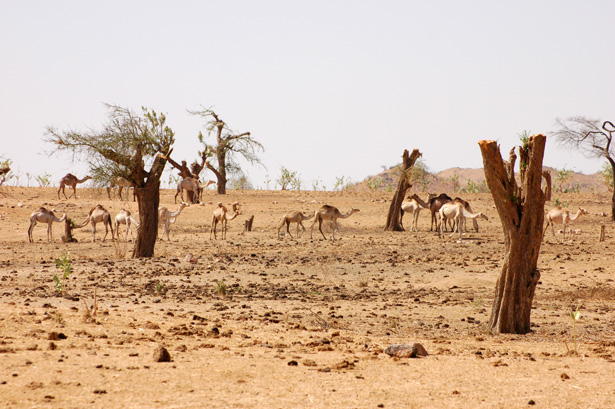
›By Paul Rushton // Wednesday, May 25, 2011Many villagers in Baaba, a community of 600 in South Darfur, remember a shady forest of mango and guava trees that provided food and a valuable income for the villagers and a pleasant picnic spot for people in Nyala, the nearby state capital. Over the last decade, that forest has degraded into eroded brush dotted by the occasional baobab – a transformation that is unfortunately a familiar sight throughout Darfur.
MORE
Most of Baaba’s trees have become firewood and charcoal for the people living in nearby internally displaced persons (IDP) camps. Baaba’s residents, who themselves returned from the camps to try to rebuild their lives at home, struggle to coax enough food from the soil, which has largely eroded away following deforestation. Afraid to venture any further than necessary from home for fear of violence and banditry in the countryside, they farm and graze the same land year after year without fallow periods – further depleting the soil and driving yields ever lower.
Baaba is like hundreds of Darfuri villages, which face a brutal mix of insecurity and environmental decline that leaves them one poor harvest away from being forced into the IDP camps. Baaba, however, is also a pilot participant in a new approach – the Community Environmental Action Plan – that aims to rehabilitate the local environment, enable people to sustainably manage natural resources, and ultimately to make communities more prosperous and resilient.
Most of Darfur has always been marginal land where farming and herding provide a meager livelihood and natural resources are few. Even before war broke out in 2003, soaring population growth (total population has quintupled since the 1970s) was putting intolerable pressure on the land, water, and trees of Darfur. The conflict in Darfur has since heavily disrupted traditional methods for sharing and maintaining natural resources, leading to environmental devastation. The worsening effects of climate change – though hard to separate from local environmental depletion – are also beginning to disrupt weather patterns and farming. The disheartening result is that even where fighting has subsided and displaced persons return home, they often find that the land no longer sustains them.
Traditional humanitarian aid and infrastructure projects are ill-suited to help, since persistent insecurity deprives humanitarian actors of access to communities for weeks or months at a time. Environmental decline didn’t start the humanitarian crisis in Darfur, but it threatens to prolong it and put a sustainable peace out of reach.
Community Environmental Action Plans
The International Organization for Migration (IOM), mandated to work on IDP and return issues in Darfur, aimed to address these challenges with Community Environmental Action Plans (CEAPs) in three pilot villages. CEAPs build comprehensive local capacity, enabling communities to manage natural resources sustainably and address environmental problems themselves without relying on outside support. The ultimate goal is to build the resilience and adaptive capacity of vulnerable communities. IOM worked with Baaba and two other villages to implement CEAPs, in partnership with the Swiss-based environmental NGO ProAct, the UN Environment Programme (UNEP), the government of South Darfur, and Darfuri environmental organizations. The project, funded by the Government of Japan, ran from early 2009 until mid-2010.
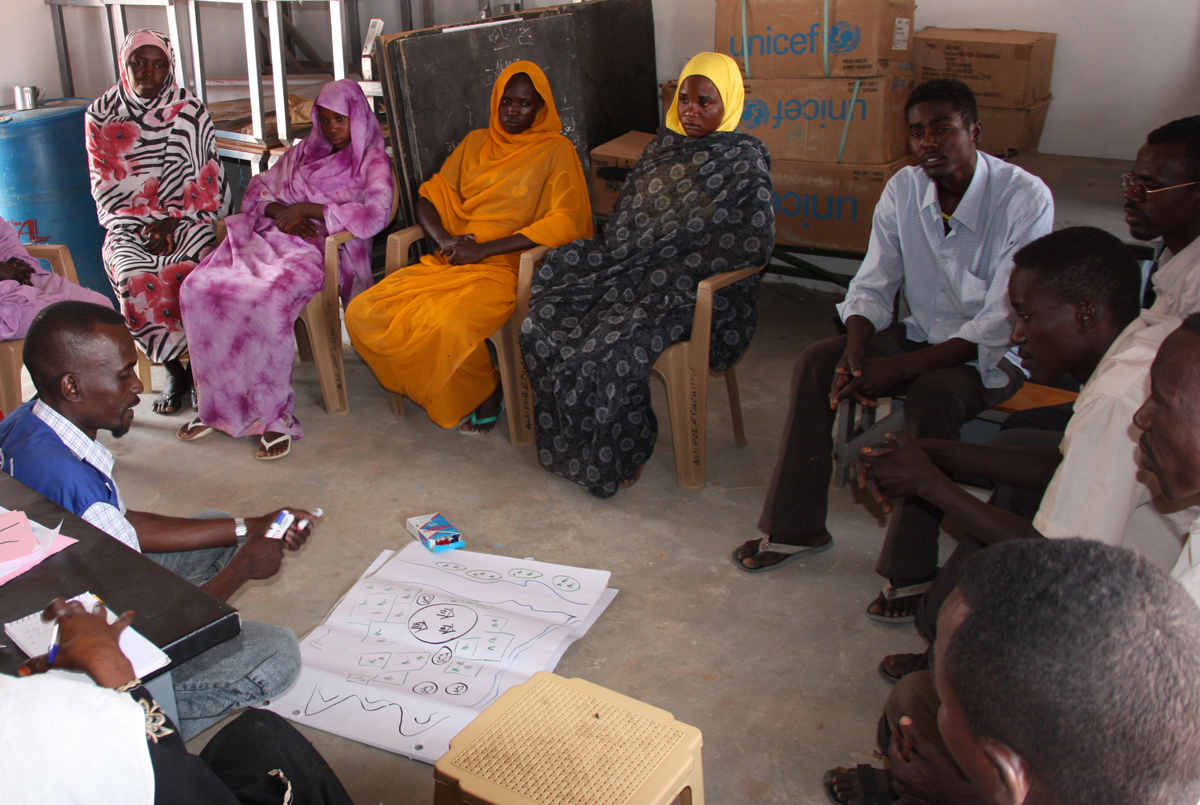
The CEAP process trains communities to understand the connections between a healthy ecosystem and a prosperous community and to promote livelihoods by rehabilitating the environment. Each participating village formed a CEAP governance committee, which was then trained to understand the environment as a single integrated system and to see how damaging one resource like trees can devastate other ecosystem services – such as pollination, groundwater retention, and soil fertility – that enable and promote human livelihoods. The communities then identified essential needs, including reforestation, water harvesting, and improved sanitation, and worked with IOM to develop appropriate responses. These activities were all implemented by the villages themselves, with technical and material support from IOM and its partners.
Building Local Capacity
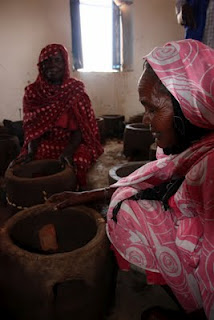
The communities built low-tech but highly productive tree nurseries, producing and planting over 200,000 seedlings to restore damaged land and provide a sustainable wood supply. Local women learned how to make highly fuel-efficient stoves using locally available materials, cutting their need for firewood and allowing them to sell stoves in the nearby Nyala market.
Farmers received extensive training in sustainable agriculture techniques, including water harvesting, composting, agro-forestry, and intercropping (mixing complementary plant species together in the same fields). Volunteers were trained in effective hygiene practices and built latrines for each household. Water committees were trained to repair and maintain the villages’ indispensable but fragile water hand pumps, ensuring a more reliable source of drinking water. Each of these activities was governed by a community committee, including women and youth, trained to manage the projects for the benefit of the entire community and continue the work after the project’s end.
Through this approach, all three villages significantly boosted their livelihoods and agricultural productivity while becoming less dependent on the unsustainable exploitation of their fragile environment. The CEAP approach benefits greatly from focusing on capacity-building and local implementation, which fosters a strong sense of community ownership that persists after the project ends. Equally important, CEAPs attempt to address most or all of a community’s environmental issues simultaneously, reducing the risk that neglected environmental problems – particularly agricultural failure – will critically destabilize and displace a community in the future.
A Replicable Model
CEAPs aren’t a panacea, particularly in the conflict-prone areas where they are most needed. Insecurity, particularly a series of abductions of humanitarian workers from several organizations in 2010, cut off IOM’s access to the communities late in the project. Though the core activities were completed by working through local partners with more reliable access, the security situation left few opportunities for follow-up activities. Longer-term threats, particularly unrestrained population growth – which requires a comprehensive approach that includes addressing unmet need for family planning services – could undo much of the good that CEAPs accomplish.
Though insecurity prevented IOM from continuing the project, other organizations including UNEP are implementing and refining the CEAP approach elsewhere in Darfur and other regions in sub-Saharan Africa. As climate changes intensifies and the potential for related conflicts looms, the CEAP approach should be considered as a powerful and flexible tool to rehabilitate the environment and strengthen vulnerable communities.
Paul Rushton is a consultant for the International Organization for Migration, Sudan, and worked as a Programme Officer managing the CEAP projects in South Darfur from 2009 to 2010.
Sources: International Organization for Migration, UN.
Photo Credit: Camels graze in a destroyed and degraded village in Western Darfur, courtesy of UNEP; and pictures from CEAP sites in Southern Darfur, courtesy of Paul Rushton. -
Watch: Eric Kaufmann on How Demography Is Enhancing Religious Fundamentalism
›By Schuyler Null // Tuesday, May 24, 2011“There’s a belief, often amongst political scientists and social scientists, that demography is somehow passive and that it doesn’t really matter,” said Eric Kaufmann, author of Shall the Religious Inherit the Earth: Demography and Politics in the 21st Century and professor at Birkbeck College, University of London in this interview with ECSP. “Part of the message of this book is that demography can lead to social and political change.”MORE
“In this case what I’m looking at is the way that demography can change the religious landscape,” Kaufmann said. “It can actually enhance the power of religion, especially religious fundamentalism in societies throughout the world.”
“Purely secular people, who have no religious affiliation, they are leading the move towards very low levels of fertility, even down to the level of one child per woman,” Kaufmann said. On the other hand, fundamentalists are reacting to this trend and deliberately deciding not to make the demographic transition, he said. “In doing so, the gap between secular and religious widens” and is actually more pronounced in places where the two groups collide.
“You can see this in the Muslim world,” said Kaufmann. “If you look at urban areas such as the Nile Delta and Cairo, in those urban cities, women are who are most in favor of Shariah have twice the family size of women who are most opposed to Shariah, whereas in the Egyptian countryside, the difference is much less because they haven’t been exposed to the same modernizing pressures.”
These dynamics affect the Western world as well, especially when you factor in migration, said Kaufmann: “The fact that almost all the world’s population growth is occurring in the developing world, which is largely religious, means that a lot of people are moving from religious parts of the world to secular parts of the world,” he said. “That effects, for example, countries like the United States or in Western Europe, which are receiving immigrants, and it means in the case of Western Europe – which is a very secular environment – that immigrants bring not only ethnic change but on the back of that, religious change; they make their societies more religious.” -
Biofuels: The Grassroots Solution
›Meeting Half the World’s Fuel Demands Without Affecting Farmland Joan Melcher, ChinaDialogue
By ECSP Staff // Tuesday, May 24, 2011The original version of this article, by Joan Melcher, appeared on ChinaDialogue.
The cultivation of biofuels – fuels derived from animal or plant matter – on marginal lands could meet up to half of the world’s current fuel consumption needs without affecting food crops or pastureland, environmental engineering researchers from America’s University of Illinois have concluded following a three-year study. The findings, according to lead author Ximing Cai, have significant implications not only for the production of biofuels but also the environmental quality of degraded lands.The study, the final report of which was published in the Journal of Environmental Science and Technology late last year, comes at a time of increasing global interest in biomass. The International Energy Agency predicts that biomass energy’s share of global energy supply will treble by 2050, to 30 percent. In March, the UK-based International Institute for Environment and Development called on national governments to take a “more sophisticated” approach to the energy source, putting it at the heart of energy strategies and ramping up investment in new technologies and research programs.MORE
The University of Illinois project used cutting-edge land-use data collection methods to try to determine the potential for second-generation biofuels and perennial grasses, which do not compete with food crops and can be grown with less fertilizer and pesticide than conventional biofuels. They are considered to be an alternative to corn ethanol – a “first generation” biofuel – which has been criticized for the high amount of energy required to grow and harvest it, its intensive irrigation needs and the fact that corn used for biofuel now accounts for about 40 percent of the United States entire corn crop.
A critical concept of the study was that it only considered marginal land, defined as abandoned or degraded or of low quality for agricultural uses, Cai, who is civil and environmental engineering professor at the University of Illinois in the mid-western United States, told ChinaDialogue.
The team considered cultivation of three crops: switchgrass, miscanthus, and a class of perennial grasses referred to as low-impact high-diversity (LIHD).
Continue reading on ChinaDialogue.
Sources: Sources: International Energy Agency, Journal of Environmental Science and Technology, Reuters, University of Illinois.
Photo Credit: Adapted from “Biofuels,” courtesy jurvetson. -
Eye On:
Mapping Population and Climate Change
›By Christina Daggett // Monday, May 23, 2011Climate change, population growth, unmet family planning needs, water scarcity, and changes in agricultural production are among the global challenges confronting governments and ordinary citizens in the 21st century. With the interactive feature “Mapping Population and Climate Change” from Population Action International, users can generate maps using a variety of variables to see how these challenges relate over time.
MORE
Users can choose between variables such as water scarcity or stress, temperature change, soil moisture, population, agriculture, need for family planning, and resilience. Global or regional views are available, as well as different data ranges: contemporary, short-term projections (to the year 2035), and long-term projections (2090).
In the example featured above, the variables of population change and agricultural production change were chosen for the time period 1990-2020. Unfortunately, no country-specific data is given, though descriptions in the side-bar offer some helpful explanations of the selected trends.
In addition, users can view three-dimensional maps of population growth in Africa and Asia for the years 1990, 2035, and 2090. These maps visually demonstrate the projected dramatic increases in population of these regions by the end of the century. According to the latest UN estimates, most of the world’s population growth will come from Africa and Asia due to persistently high fertility rates.
Image Credit: Population Action International. -
Winning Hearts and Minds: An Interview with Chief Naval Officer Admiral Gary Roughead
›Rosemarie Calvert, Center for a Better Life
By ECSP Staff // Monday, May 23, 2011The original version of this article, by Rosemarie Calvert, appeared in the Center for a Better Life’s livebetter magazine.
Few people understand “smart” power as well as Chief Naval Officer (CNO) Admiral Gary Roughead. To this ingenious, adept leader of the world’s largest and most powerful navy, it’s not just about military strategy or political science; it’s about heart. It’s about the measure of a man with regard to honor, courage and commitment. And, it’s about appreciation and respect for the natural world. As one of the U.S. Defense Department’s most powerful decision-makers, Roughead has helped mold a new breed of sailor who understands that preventing war is just as important as winning war – that creating partners is more important than creating opponents. Add mission mandates such as humanitarian assistance, disaster relief, and environmental stewardship, and it’s clear why Roughead and his brand of smart power are having a profound impact on international peace, national security, and natural security.MORE
Engendering Environmental Advocacy
“You don’t live on the ocean and not love it. My appreciation for the environment came from a very early age – from just loving to be on the water. It’s something that’s had a very strong impact on me,” explains Roughead, who grew up in North Africa where his father worked in the oil business. He and his family lived along an uninhabited area of coastline where his father’s company built a power plant and refinery to process and transport Libya’s huge oil field finds to offshore tankers.
“We were the first people to move there; I was still in grammar school. The beauty in being the first was that the coastline was absolutely pristine. Even before school, I would get up and go skin diving. There were beautiful reefs, and fish were everywhere. The vegetation was just incredible. The company built an offshore loading area a few miles off the beach with 36-inch pipes pumping crude oil out to where these big supertankers would come in. Back then, there wasn’t a high regard for the environment, so when storms would kick-up and ships got underway in a hurry, they would just cast them off and all that oil would go into the ocean.
“Fast forward about five years, and the last time I went skin diving I didn’t see a living thing. The vegetation was dead. At that time I was visiting my folks on summer leave from the Naval Academy. There were periods when I would skin dive and then surface after being down about 35-40 feet, and my lungs would be ready to burst. I’d look up, having moved from my original location, and see this massive oil slick. And, I’d go, ‘Oh gosh…no!’ But, you didn’t have any choice. I would come home and actually have to clean the oil off with kerosene because it was caked on me.
“I saw and experienced environmental devastation, and it had an effect on me. Being at sea all the time – I love going to sea and seeing everything about it – drove me to the views I have. I really do think there’s compatibility between the Navy and the environment. We have things we must accomplish, but we can do them cleanly and responsibly. That’s what we’ve tried to demonstrate to those who have different views – that there has to be compatibility between the two.”
Continue reading on the Center for a Better Life.
Rosemarie Calvert is the publisher and editorial director of livebetter magazine and director of the Center for a Better Life.
Photo Credit: Adapted from “USS Nitze underway with ships from U.S. Navy, Coast Guard and foreign navies,” courtesy of flickr user Official U.S. Navy Imagery. -
Bolivia: A Return to Pachamama?
›Climate Change, Development, and the Law of Mother Earth
By Christina Daggett // Friday, May 20, 2011In Bolivia, environment-related contradictions abound: shrinking glaciers threaten the water supply of the booming capital city, La Paz, while unusually heavy rainfall triggers deadly landslides. The government is seeking to develop a strategic reserve of metals that could make Bolivia the “Saudi Arabia of lithium,” while politicians promote legal rights for “Mother Earth” and an end to capitalism.MORE
This year has been particularly turbulent. In La Paz, landslides destroyed at least 400 homes and left 5,000 homeless. While the rain has been overwhelming at times, it has also been unreliable – an effect of the alternating climate phenomena La Niña and El Niño, experts say, which have grown more frequent in recent years and cause great variability in weather patterns. Bolivia has endured nine major droughts and 25 floods in the past three decades, a challenge for any country but particularly so for one of the poorest, least developed, and fastest growing (with a total fertility rate over three) in Latin America.
Environmental Justice or Radicalism?
Environmentalism has become a major force in national politics in part as a response to the climatic challenges faced by Bolivia. A new law seeks to grant the environment the same legal rights as citizens, including the right to clean air and water and the right to be free of pollution. (Voters in Ecuador approved a similar measure in 2008.) The law is seen as a return of respect to Pachamama, a much revered spiritual entity (akin to Mother Earth) for Bolivia’s indigenous population, who account for around 62 percent of the total population.
Though groundbreaking in its scope, the new law may prove difficult to enforce, given its lack of precedent and the lucrative business interests at stake (oil, gas, and mineral extraction accounted for 70 percent of Bolivia’s exports in 2010).
On the global stage, President Morales has issued perhaps the most aggressive calls yet for industrial countries to do more about climate change and compensate those countries that are already experiencing the effects. Bolivia refused to sign both the Copenhagen and Cancun climate agreements on grounds that the agreements were too weak. In Cancun, Morales gave a blistering speech:We have two paths: Either capitalism dies or Mother Earth dies. Either capitalism lives or Mother Earth lives. Of course, brothers and sisters, we are here for life, for humanity and for the rights of Mother Earth. Long live the rights of Mother Earth! Death to capitalism!
Bolivia’s stance has alienated potential allies: In 2010, the United States denied Bolivia climate aid funds worth $3 million because of its failure to sign the Copenhagen Accord.
Going… Going… Gone
Bolivia’s Chacaltaya glacier – estimated to be 18,000 years old – is today only a small patch of ice, the victim of rising temperatures from climate change, scientists say. Glaciologists suggest that temperatures have been steadily rising in Bolivia for the past 60 years and will continue to rise perhaps a further 3.5-4˚C over the next century – a change that would turn much of the country into desert.
Other Andean glaciers face a similar fate, according to the World Bank, which estimates that the loss of these glaciers threatens the water supply of some 30 million people and La Paz in particular, which, some experts say, could become one of the world’s first capitals to run out of water. The populations of La Paz and neighboring El Alto have been steadily growing – from less than 900,000 in 1950 to more than 2 million in 2011 – as more and more Bolivians are moving from the countryside to the city, putting pressure on an already dwindling water supply.
If the water scarcity situation continues to worsen, residents of the La Paz metropolitan area may migrate to other areas of the country, most likely eastward toward Bolivia’s largest and most prosperous city, Santa Cruz. Such migration, however, has the potential to inflame existing tensions between the western (indigenous) and eastern (mestizo) portions of the country.
Rising Prices, Rising Tension
The temperature is not the only thing on the rise in Bolivia; the price of food, too, is increasing. According to the World Food Program, since 2010, the price of pinto beans has risen 179 percent; flour, 44 percent; and rice, 33 percent. Shortages of sugar and other basic foodstuffs have been reported as well, leading to protests.
In early February, the BBC reported President Evo Morales was forced to abandon his plans to give a public speech after a group of protestors started throwing dynamite. A week later, nation-wide demonstrations paralyzed several cities, according to AFP, closing schools and disrupting services.
The Saudi Arabia of Lithium?
One way out for Bolivia’s economic woes might be its still nascent mineral extraction sector. Bolivia possesses an estimated 50 percent of the world’s lithium deposits (nine million tons, according to the U.S. Geological Survey), most of which is locked beneath the world’s largest salt flat, Salar de Uyuni. The size of these reserves has prompted some to dub Bolivia a potential “Saudi Arabia of lithium” – a title, it should be noted, that has also been bestowed upon Chile and Afghanistan.
Demand for lithium, which is used most notably in cell phones and electric car batteries, is expected to dramatically increase in the next 10 years as countries seek to lower their dependence on fossil fuels. Yet, some analysts have wondered if Bolivia’s lithium is needed, given the quality and current level of production of lithium from neighboring Chile and Argentina.
Others have questioned whether Bolivia has the necessary infrastructure to industrialize the extraction process or the ability to get its product to market, though Bolivia recently signed an agreement with neighboring Peru for port access. In an extensive report for The New Yorker, Lawrence Wright writes that “before Bolivia can hope to exploit a twenty-first century fuel, it must first develop the rudiments of a twentieth-century economy.” To this end, the Bolivian government last year announced a partnership with Iran to develop its lithium reserves – a surprising move, given Morales’ historical disdain for foreign investment.
Nexus of Climate, Security, Culture, and Development
The Uyuni salt flats are both a potent economic opportunity and one of the country’s most unspoiled natural wonders. How will Bolivia – a country of natural bounty and unique indigenous tradition – balance the need for development with its stated commitment to environmental principles?
Large-scale extraction may be worth the environmental cost, a La Paz economist told The Daily Mail: “We are one of the poorest countries on Earth with appalling life-expectancy rates. This is no time to be hard-headed. Without development our people will suffer. Getting bogged down in principles and politics doesn’t put food in people’s mouths.”
“The process that we are faced with internally is a difficult one. It’s no cup of tea. There are sectors and players at odds in this more environmentalist vision,” said Carlos Fuentes, a Bolivian government official, to The Latin American News Dispatch.
Sources: American University, BBC News, Bloomberg, Change.org, Christian Science Monitor, The Daily Mail, Democracy Now, Green Change, The Guardian, Instituto Nacional de Estadística de Bolivia, IPS News, Latin America News Dispatch, MercoPress, The New York Times, The New Yorker, Population Reference Bureau, PreventionWeb, Reliefweb, Reuters, SAGE, Tierramerica, USAID, U.S. Geological Survey, UNICEF, Upsidedownworld, Wired UK, The World Bank, Yahoo, Yes! Magazine.
Photo credit: “la paz,” courtesy of flickr user timsnell and “Isla Incahuasi – Salar de Uyuni, Bolivia,” courtesy of flickr user kk+. -
From the Wilson Center:
USAID, Muslim Separatists, and Politics in the Southern Philippines
›“The Second Front in the War on Terror”
By Bryce Wakefield // Thursday, May 19, 2011For some years after the terrorist attacks of 9/11, the existence of violent Muslim separatists on the southern Philippine island of Mindanao gave U.S. officials significant cause for concern. In 2005, for example, the U.S. embassy charge d’affaires to the Philippines, Joseph Mussomeli, told reporters that “certain portions of Mindanao are so lawless, so porous…that you run the risk of it becoming like an Afghanistan situation. Mindanao is almost, forgive the poor religious pun, the new Mecca for terrorism.” During the Bush administration, officials referred to the region as a “second front” in the War on Terror: the region was once seen as a “new Afghanistan” that “threatened to become an epicenter of Al Qaeda.” [Video Below]MORE
Nevertheless, as noted by Wilson Center Fellow Patricio Abinales at an Asia Program event on May 11, U.S. efforts to co-opt and pacify separatist guerrillas have proven remarkably successful in some areas of the islands. Some commentators have highlighted the role of the U.S. military in bringing a relative sense of security to troubled regions, noting that Mindanao presents a “future model for counterinsurgency.” However, Abinales’s research shows the military activities have had little effect, often because troops are stationed far from potential areas of conflict. Instead, it is the civilian side of the American presence that has dampened conflict in the war zones of the southern Philippines.
Abinales specifically explored the factors behind the success of the U.S. Agency for International Development’s (USAID) Growth with Equity in Mindanao (GEM) program in demobilizing and reintegrating 28,000 separatist guerrillas of the Moro National Liberation Front (MNLF), as well as the long-term political consequences of this accomplishment.
“Arms to Farms”
Usually, USAID programs are organized on the basis of grants for specific and limited projects. In contrast, GEM arose as a long-term umbrella organization that oversees the disbursement and management of American funding across a number of long-term projects. Coordinators are trained directly in Mindanao and are encouraged to “go native,” living in the area and becoming part of the community. GEM prioritizes cultural understanding, respect for community leaders, an appreciation of the important role that women play in local societies, and sensitivity to potential divisions within separatist groups and their security concerns vis-à-vis the Philippine government.
There has often been a general tendency for aid organizations to associate the demobilization of warring groups with disarmament. While Philippine officials on Mindanao have sometimes tried this approach, cash-for-guns amnesty schemes have opened up opportunities for corruption and have not been particularly effective. Understanding that one of the major concerns of guerrilla rebels is exploitation by corrupt government officials, GEM established an “Arms to Farms” scheme, whereby Muslim rebels are trained to engage in agriculture, but are not encouraged to put away their weapons. In this way, the program keeps potential guerrillas and Al Qaeda recruits busy with legitimate and peaceful economic activity, while it assuages their concerns about the threat from corrupt government officials, who may otherwise take the fruits of agricultural labor by force.
In fact, Abinales noted that one of the keys to GEM’s success is that the organization has never submitted to the official local authorities, and has largely been allowed a free reign by Manila to conduct its activities on Mindanao. It is precisely because the state has not been successful in delivering welfare regimes which provide stability to the area that GEM is seen as an alternate source of development and security in the region. Moreover, because of GEM’s activities, other American officials are allowed relatively free access, and are even welcomed into areas where the authority of the Philippine government holds no sway. Most of GEM’s activities are conducted with the MNLF, which has maintained its own official treaties and agreements with Manila since the 1970s. However, the American organization is beginning to enter the territory of the Moro Islamic Liberation Front, a splinter group of the MNLF that rejects relations with the national government outright, but one whose leaders are jealous of the development gains the MNLF has made under GEM.
Abinales was quick to point out that although GEM’s activities have been successful, they are tailor-made to specific circumstances. It is therefore difficult to present them as a generalized model that can be applied to other separatist conflicts. Nevertheless, Abinales’s work suggests that government agencies working on counterinsurgency efforts elsewhere might do well to examine the benefits of the flexible civilian approaches to conflict resolution formed with a deep understanding of the concerns of the specific communities involved.
Bryce Wakefield is program associate with the Asia Program at the Woodrow Wilson Center. -
The Walk to Water in Conflict-Affected Areas
›By ECSP Staff // Wednesday, May 18, 2011The original version of this article, by C. Brady, G. Dabelko, L. Herzer, and J.Patton, appeared in USAID’s May edition of Global Waters.
Constituting a majority of the world’s poor and at the same time bearing responsibility for half the world’s food production and most family health and nutrition needs, women and girls regularly bear the burden of procuring water for multiple household and agricultural uses. When water is not readily accessible, they become a highly vulnerable group. Where access to water is limited, the walk to water is too often accompanied by the threat of attack and violence.MORE
In conflict-affected areas, access to water for any part of the population can become an even more challenging and complex issue. Social fragility, violence, and conflict can be both a cause and a consequence of inequitable and difficult water access. In these settings, access to water for both genders may in part be determined by the underlying circumstances of conflict or instability, which interact with the already complex social, political, economic, and environmental factors affecting resource access. As a key step in supporting long-lasting solutions to persistent vulnerabilities, especially for women and girls, USAID and its partners are seeking to broaden the discussion beyond the issue of vulnerability to attack. The objective is to enhance understanding of the linkages between violence connected to water access and the wider conflict context in which the challenge is embedded.
Understanding Root Causes
From dusty stretches of southern Sudan to the densely forested eastern Democratic Republic of the Congo, from the mangrove swamps of southwestern Colombia to the rice paddies of Cambodia, USAID staff have witnessed firsthand the connections between gender, water, and violence in conflict-affected countries. Yet, the results were disappointing when USAID’s Office of Conflict Management and Mitigation (CMM), in partnership with the Woodrow Wilson Center’s Environmental Change and Security Program, looked for systematic research on these links and guidance on effective responses. Too little research has focused on parsing out and clarifying the connections between the well-established vulnerabilities of women and girls around water collection and the broader contexts in which that violence is situated.
In their ongoing collaboration through the Resources for Peace Project (RFPP), CMM and the Wilson Center are seeking to better understand the underlying causes of that heightened vulnerability and its explicit connections with conflict. “With this new research we hope to establish a broader frame of reference,” states Cynthia Brady, a USAID Senior Conflict Advisor at CMM, “in order to help address not only the victimization of women in these environments but to simultaneously improve our understanding of the root causes and consequences of that vulnerability by analyzing the connections with the dynamics of conflict and instability.” She further explains that “this includes careful consideration of the range of factors driving risk of attack. The research will also identify what opportunities may exist through water-related programming to reduce the underlying sources of conflict. Our goal is to proactively shore up community resiliency and build stability.”
Making Linkages, Building Resilience
There is an immediate need for focused analysis of the connections between women, water, and conflict to complement the significant, but mostly anecdotal evidence that already exists. In particular, research needs to be done to interpret the very different kinds of potential violence and vulnerability associated with women and water in light of broader conflict dynamics. For example, issues range from the exposure of women as they travel to gather water to direct conflict over access to limited water resources by people of different groups (and its potential to grow into greater inter-group violence). Other issues for closer study include the secondary or tertiary violence stemming from water-related social and demographic disruptions and the possible specific targeting of water-seeking women for political ends.
As an initial step under the RFPP, water and conflict expert Sandra Ruckstuhl of Group W, Inc. has begun to frame the issues and offer guiding questions for addressing the research shortfall. Ruckstuhl finds that “the potential for women’s victimization and vulnerability associated with water access is not a phenomenon that can be isolated from the larger context of the system in which it occurs.” She suggests:It would be constructive to move analysis and intellectual discussion beyond the limited focus on the vulnerabilities of women and girls to consider gender dynamics and resilience-building opportunities within the system as a whole.
This preliminary inquiry is aimed at spurring applied policy research to deepen understanding of the connections between water access, gender-based vulnerability, and conflict, and to devise methods for addressing underlying causes. Some initial steps stand out. Staff working at the project-level can better understand the issues by asking how violence around water access connects to wider conflict dynamics. For example, who experiences the risk or reality of harm? Who is the perpetrator of harm, what means do they use, and what are their objectives? What are the issues in the conflict, and how (if at all) do they involve water supply and resources – directly or indirectly? How do gender roles/impacts associated with water access change over time?
Empowering women and girls has become a centerpiece of U.S. diplomatic and development efforts. Employing a holistic view of both gender dynamics and the context of conflict will help ensure that interventions to improve water access are conflict sensitive (minimizing negative impacts and maximizing positive ones). At the same time, interventions should harness opportunities to reduce conflict, build community resilience, and address humanitarian concerns, such as the vulnerability of women and girls. Building on the broad experience and insights from those working in the field and expert analysis, USAID and partners will continue to work on effective and sustainable development approaches to mitigate risk and promote local resiliencies around the intersection of gender, water, and conflict.
Cynthia Brady is the senior conflict advisor with USAID’s Office of Conflict Management and Mitigation; Geoff Dabelko is the director of the Environmental Change and Security Program (ECSP) at the Wilson Center; Lauren Herzer is a program associate for the Comparative Urban Studies Program and ECSP at the Wilson Center; and James Patton Foreign is an affairs officer and conflict specialist with the Civilian Response Corps at the Department of State, Office of the Coordinator for Reconstruction and Stabilization.
Photo Credit: “UN Provides Water to Community of Displaced in South Darfur,” courtesy of flickr user United Nations Photo. -
From the Wilson Center:
Connections Between Climate and Stability: Lessons From Asia and Africa
›By Christina Daggett // Tuesday, May 17, 2011“We, alongside this growing consensus of research institutes, analysts, and security agencies on both sides of the Atlantic, think of climate change as a risk multiplier; as something that will amplify existing social, political, and resource stressors,” said Janani Vivekananda of International Alert, speaking at the Wilson Center on May 10. [Video Below]
MORE
Vivekananda, a senior climate policy officer with International Alert’s Peacebuilding Program, was joined by co-presenter Jeffrey Stark, the director of research and studies at the Foundation for Environmental Security and Sustainability (FESS), and discussant Cynthia Brady, senior conflict advisor with USAID’s Office of Conflict Management and Mitigation, to discuss the complex connections between climate change, conflict, stability, and governance.
A Multi-Layered Problem
Climate change and stability represent a “double-headed problem,” said Vivekananda. Climate change, while never the only cause of conflict, can increase its risk in certain contexts. At the same time, “states which are affected by conflict will already have weakened social, economic, and political resilience, which will mean that these states and their governments will find it difficult to address the impacts of climate change on the lives of these communities,” she said.
“In fragile states, the particular challenge is adapting the way we respond to climate change, bearing in mind the specific challenges of operating in a fragile context,” said Vivekananda. Ill-informed intervention programs run the risk of doing more harm than good, she said.
For example, Vivekananda said an agrarian village she visited in Nepal was suffering from an acute water shortage and tried adapting by switching from rice to corn, which is a less water-intensive crop. However, this initiative failed because the villagers lacked the necessary technical knowledge and coordination to make their efforts successful in the long term, and in the short term this effort actually further reduced water supplies and exacerbated deforestation.
“Local responses will only be able to go so far without national-level coordination,” Vivekananda said. What is needed is a “harmony” between so-called “top-down” and “bottom-up” initiatives. “Adapting to these challenges means adapting development assistance,” she said.
“What we’re finding is that the qualities that help a community, or a society, or in fact a government be resilient to climate change are in fact very similar qualities to that which makes a community able to deal with conflict issues without resorting to violence,” said Vivekananda.
No Simple, Surgical Solutions
“The impacts of environmental change and management of natural resources are always embedded in a powerful web of social, economic, political, cultural, and historical factors,” said Stark. “We shouldn’t expect simple, surgical solutions to climate change challenges,” he said.
Uganda and Ethiopia, for example, both have rich pastoralist traditions that are threatened by climate change. Increasing temperatures, drought, infrequent but intense rains, hail, and changes in seasonal patterns are threatening pasture lands and livelihoods.
At the same time, pastoralists are confronting the effects of a rapidly growing population, expanding cultivation, forced migration, shrinking traditional grazing lands, anti-pastoralist attitudes, and ethnic tensions. As a result, “any intervention in relation to climate adaptation – whether for water, or food, or alternative livelihoods – has to be fully understood and explicitly acknowledged as mutually beneficial by all sides,” Stark said. “If it is seen in any way to be favoring one group or another it will just cause conflict, so it is a very difficult and delicate situation.”
Yet, the challenges of climate change, said Stark, can be used “as a way to involve people who feel marginalized, empower their participation…and at the same time address some of the drivers of conflict that exist in the country.”
Case Studies: Addressing the “Missing Middle”
When doing climate change work in fragile states, “you have to think about your do-no-harm parameters,” said Brady. “Where are the opportunities to get additional sustainable development benefit and additional stabilization benefit out of reducing climate change vulnerability?”
More in-depth case studies, such as the work funded by USAID and conducted by FESS in Uganda and Ethiopia, are needed to help fill the “missing middle” between broad, international climate change efforts – like those at the United Nations – and the community level, Brady said.
The information generated from these case studies is being eagerly awaited by USAID’s partners in the Departments of State, Defense, and Treasury, said Brady. “We are all hopeful that there will be some really significant common lessons learned, and that at a minimum, we may draw some common understanding about what climate-sensitive parameters in fragile states might mean.”
Image Credit: “Ethio Somali 1,” courtesy of flickr user aheavens. -
Reading Radar:
The Mineral Security of the United States
›Southern Africa, China, and “Sustainable Access”
By Christina Daggett // Monday, May 16, 2011In a report titled “Elements of Security: Mitigating the Risks of U.S. Dependence on Critical Minerals,” author Christine Parthemore from the Center for a New American Security writes, “Growing global demand coupled with the mineral requirements necessary for both managing military supply chains and transitioning to a clean energy future will require not only clearer understanding, but also pragmatic and realistic solutions.” Minerals and rare earth elements such as lithium, gallium, and rhenium are critical elements for many defense technologies (e.g. jet engines, satellites, missiles, etc.) and alternative energy sources (batteries and wind turbines). Parthemore argues that U.S. policy should focus on preventing suppliers from exerting undue leverage (as China did in 2010), mitigating fiscal risk and cost overruns, reducing disruption vulnerability, and ensuring the United States is able to meet its growth goals in clean energy and other high-tech fields.MORE
In a report from the U.S. Air War College, author Stephen Burgess writes of the potential for conflict over competition for “strategic minerals” in five southern African states: South Africa, the Democratic Republic of the Congo, Zambia, Zimbabwe, and Namibia. The report, titled “Sustainability of Strategic Minerals in Southern Africa and Potential Conflicts and Partnerships,” states that growing industrial countries like China will compete, potentially aggressively, with the United States for sustainable access to elements such as chromium, manganese, cobalt, uranium, and platinum group metals. Burgess recommends that the United States become more engaged in southern Africa by providing development assistance to mining communities and developing strategic partnerships.
Subscribe to: Posts (Atom)